Colour analysis is one of those concepts that sounds complicated and turns out to be transformative. Once you understand your personal colour palette — the specific range of shades that harmonise with your natural colouring — you stop buying the wrong things. You stop wondering why that lipstick everyone loves looks wrong on you. You stop feeling like you are failing at makeup when the problem was never your skill.
Colour analysis is the process of identifying which colours complement your natural colouring — your skin tone, your natural hair colour, your eyes — and which ones fight against it.
It is based on two main principles: undertone and depth.
Undertone is whether your skin reads as warm (yellow, peach, golden), cool (pink, blue, red) or neutral (a balance of both). Depth is how light or dark your overall colouring is — a very fair person with light hair reads differently to a very fair person with dark hair and brows.
From these two factors, you can identify the broad family of colours that will make your skin look bright and healthy — and the ones that will make you look tired, sallow, or washed out.

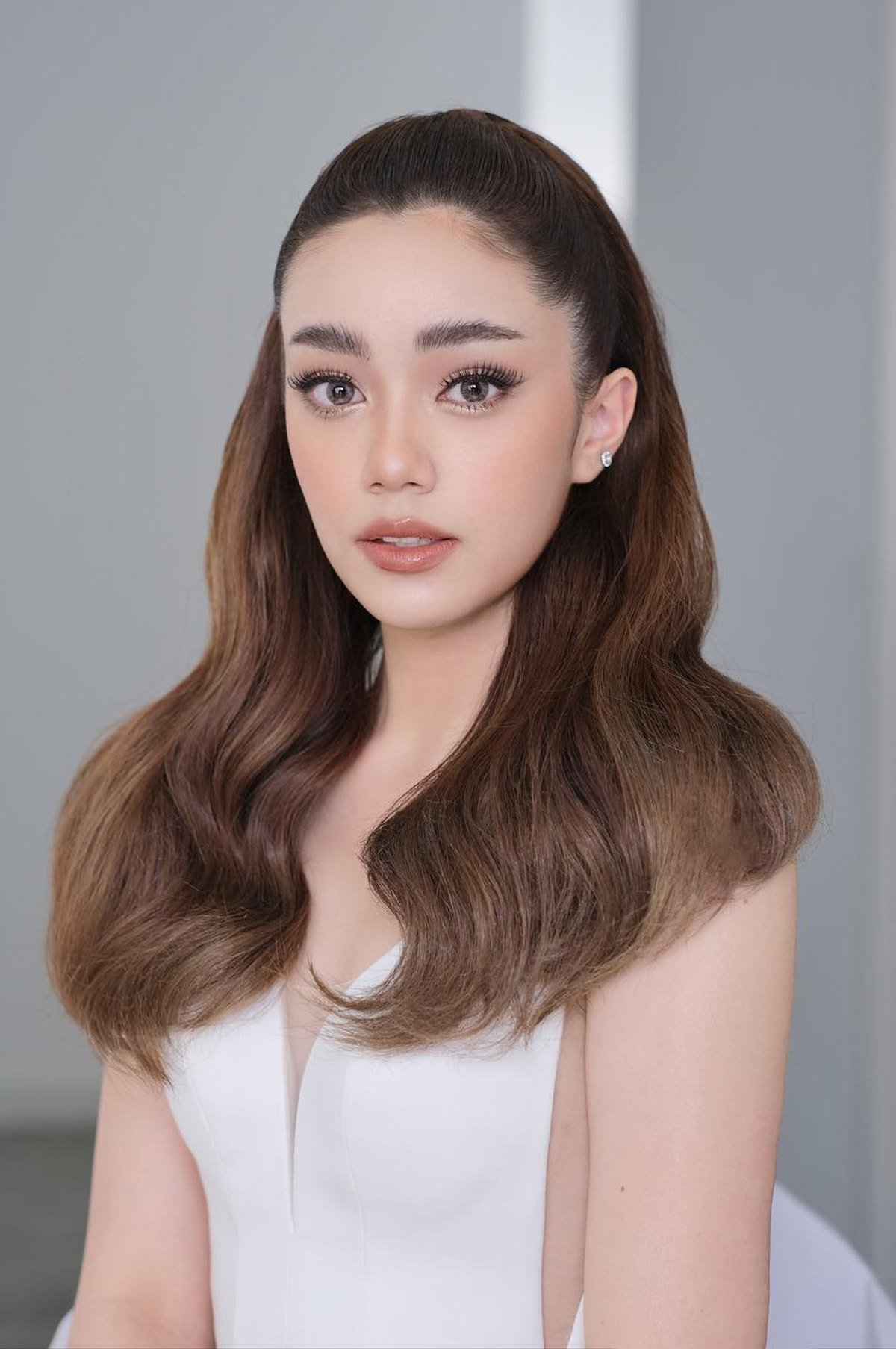
Without colour analysis, most people shop by trend. The colour that is popular this season. The shade that looked good on the influencer they follow. The formula that got five stars in a review.
The problem is that most of those colours were not designed with your specific colouring in mind. A nude lipstick that is perfect for someone with a warm undertone can make someone with a cool undertone look grey and unwell. The same bronzer that gives one person a healthy glow makes another person look muddy.
Once you know your palette, you stop making these mistakes. You walk into a beauty counter and immediately know which quadrant of products is relevant to you. You can look at a swatch on the back of your hand and know — immediately — whether it will work on your face.
The shade that looked good on the influencer they follow.

Warm undertones are common across Southeast Asian skin. If you have golden, peachy or yellow-cast skin — if you tan easily and go golden rather than red — you likely have warm undertones.
For warm undertones: bronzy, peachy, golden and warm neutral shades tend to work beautifully. Camel, terracotta, warm brown, peach, coral and warm red lip colours. Eyeshadow in bronze, gold, warm brown and olive.
Cool undertones present differently — skin that has a pink, rosy or bluish quality, people who burn easily or go pink rather than gold in the sun.
For cool undertones: pink-based, mauve, berry and blue-toned shades tend to be more flattering. Rose, raspberry, plum and true red lip colours. Eyeshadow in grey-brown, mauve, silver and cool taupe.
Neutral undertones — which are common — have the most flexibility and can wear both warm and cool shades, though they still have a leaning.

A colour analysis class at Make Up Is My Buddy is a 1-on-1 session. We begin by removing your makeup and looking at your skin in natural light — the only accurate way to assess undertone and depth.
I then work through a series of colour drapes — fabric swatches in warm and cool ranges — to show you in real time how different colour families interact with your skin. You will see, immediately, how some colours make your skin look vibrant and others dull or washed out. It is often quite dramatic.
From that analysis, you leave with a clear understanding of your personal colour palette — and specific product recommendations across makeup categories: foundation undertone, blush family, eyeshadow range, lip colour range.
Many students describe it as one of the most practical beauty investments they have ever made.

The results of colour analysis extend well beyond what you put on your face.
The same principles that determine your best makeup palette also determine which clothing colours genuinely suit you — and which ones you keep buying, wearing once, and pushing to the back of the wardrobe.
If you have ever noticed that some colours make you look bright and healthy without any makeup at all, and others make you look tired even when fully made up — that is your palette at work.
Colour analysis explains both. And once you understand it, you apply it instinctively — to makeup, to clothing, to the colours you choose to stand next to in photographs.
About the author
Parisa Fellone
Parisa Fellone is a professional makeup artist based in Bangkok, Thailand, and the founder of Make Up Is My Buddy. With over 10 years of experience working with brides, clients and aspiring makeup artists across Southeast Asia, she is known for her expertise in T-Beauty — the dewy, luminous aesthetic that defines the finest Thai makeup work. She was the makeup artist for Opal Suchata Chuangsri at Miss Universe Thailand 2022 — the same Opal who went on to become Thailand's first ever Miss World in 2025.